There is a version of every plumbing problem that can wait until Monday. Then there is the version that cannot. Most people do not know which one they have until the situation has already made the decision for them.
That gap between a problem you can manage and one that has already gotten away from you is usually a matter of hours. Not days.
These five situations in particular do not wait. Each one has a pattern that shows up before the damage becomes obvious. Knowing what that pattern looks like is what determines whether you are containing a problem or cleaning up after one.
1. A Burst or Actively Leaking Pipe
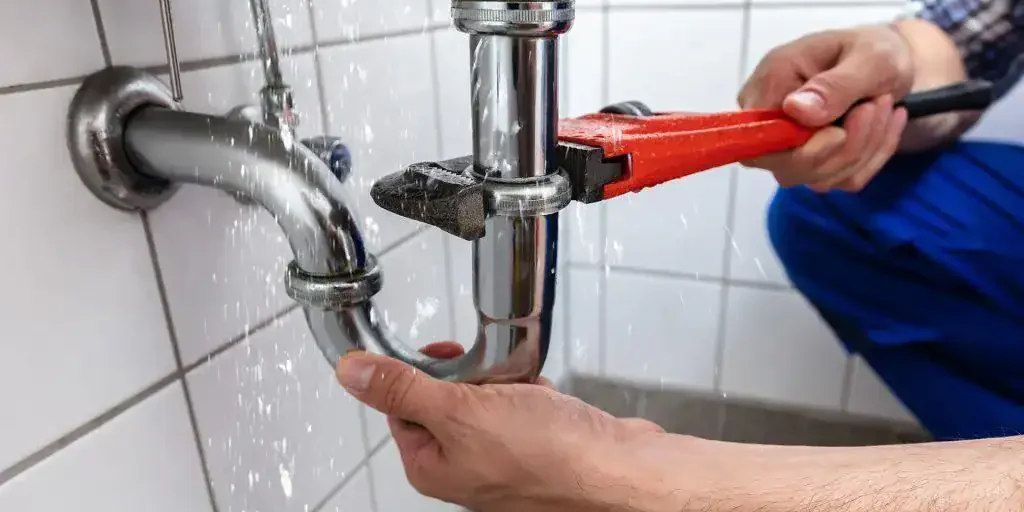
A pipe that is actively losing water does not stay contained for long. Every minute it runs, water is moving into the walls, floors, and the structure behind them.
What looks like a small leak at the surface is often significantly worse inside the wall. The water damage that accumulates while it waits almost always costs more than the plumbing repair itself. A burst pipe is not a repair that gets easier with time.
What to do:
- Shut off the main water supply to the home immediately to stop the loss.
- Move belongings away from the affected area and turn off electricity to any rooms where water is near outlets.
- Photograph the damage before any cleanup begins. Your insurance claim will need it.
2. A Sewage Backup
When sewage starts coming back through a drain, toilet, or floor drain, the blockage causing it will not clear on its own.
This is not a situation for a chemical drain cleaner or a surface-level snake. The problem is further down the line and needs a plumber with the right equipment to locate and clear it properly. Raw sewage inside a home is a health concern, and the longer it sits, the more involved the cleanup becomes.
What to do:
- Stop using all the water in the home. Do not flush any toilet or run any fixture until the line has been evaluated.
- Keep children and pets out of the affected area entirely.
- Open windows to ventilate the space, but avoid direct contact with backed-up water.
3. Complete Loss of Water Supply to the Home
When every tap in the home loses pressure simultaneously, the problem is in the main supply line or at the point where water enters the home.
A single fixture with low pressure usually points to a local issue. Full loss across every fixture points further back, toward a main line break, a failed pressure regulator, or a shutoff that has closed on its own. Some of these causes are actively damaging the property while the home sits without service.
What to do:
- Check whether the main shutoff valve has been accidentally bumped or partially closed.
- Knock on a neighbor’s door or check your water provider’s outage line to rule out a municipal supply issue.
- If supply is confirmed on their end and not yours, that is a same-day call to a plumber.
4. A Water Heater That Is Leaking or Failing
A water heater exhibiting visible leaks, unusual sounds, or discharge from the pressure relief valve has moved beyond a maintenance issue and into a safety risk.
Popping or rumbling sounds usually mean sediment has built up inside the tank and the unit is working harder than it should. A relief valve that is dripping or has discharged onto the floor means pressure inside the tank has exceeded what the system considers safe. Discolored water or a rotten egg smell near the unit are signals that something inside is actively failing.
What to do:
- Turn off the cold water inlet valve at the top of the unit to stop water from feeding into it.
- For gas units, close the gas supply valve near the base of the heater.
- Do not attempt to reset the relief valve repeatedly. If it is discharging, that is the system doing its job. A plumber needs to find out why.
5. An Overflowing Toilet That Will Not Stop
A toilet that overflows once and then stops is usually due to a blockage. A toilet that continues to overflow or will not stop running after flushing is a different problem entirely.
Standing water on a bathroom floor moves quickly into the subfloor and sometimes into the ceiling below it. This is not a situation to manage with towels and check again in the morning. A plumber needs to identify whether the issue is a blockage, a fill valve failure, or a drain line problem before the toilet is used again.
What to do:
- Shut off the water supply valve located behind the toilet at the base of the wall. That stops water from continuing to enter the bowl.
- If the valve will not close or water has already reached the floor, shut off the main supply to the home.
- Do not attempt to plunge an overflowing bowl. If the drain line is the issue, plunging forces the problem further down and makes the plumber‘s job harder.
When It Is an Emergency, Treat It Like One
Each of these five situations follows the same pattern. They start as something a homeowner can reasonably manage, and become something significantly more expensive when treated as problems that can wait until tomorrow.
The question is not whether to call. It is whether you call early enough to contain it.
What each of these situations needs is an emergency plumber who can reach the home quickly, diagnose accurately, and handle the plumbing repair without making the problem worse in the process.
Mr. Drippy Plumbing handles emergency plumbing, the kind that cannot wait until Monday. If one of these situations is happening in your home right now, contact us to get a local plumber to your door before the problem gets ahead of you.